Archives
nampt inhibitor br Transparency document br Introduction G p
2022-10-31

Transparency document Introduction G protein-coupled receptors (GPCRs) comprise a diverse family of seven transmembrane domain-containing receptors represented by over 800 genes in humans. GPCRs respond to a range of stimuli, including peptides, hormones, growth factors, lipids, odorants, and
Whether similar mechanisms play a
2022-10-31
Whether similar mechanisms play a role in adiponectin signal transduction and whether additional proteins are recruited to adiponectin receptors via APPL1 has not been analysed so far. Although it has been clearly established that APPL1 is a downstream adaptor protein in adiponectin signal transduct
Streptomycetes are a group of filamentous Gram positive soil
2022-10-31
Streptomycetes are a group of filamentous Gram-positive, soil-inhabiting bacteria which have captured enormous screening interest because of their ability to produce and secrete a variety of Tryptone and extracellular proteins [7]. Among the diverse antibiotics produced by Streptomycetes are the nu
Recently biosensors based on enzyme mimicking organic inorga
2022-10-31
Recently, biosensors based on enzyme-mimicking organic-inorganic hybrid nanomaterials such as protein or DNA-Cu nanoflowers (Batule et al., 2015, Park et al., 2017), Fe-aminoclay (Lee et al., 2013), and MOFs (Ai et al., 2013, Dong et al., 2015, Feng et al., 2012, Liu et al., 2013, Qin et al., 2013,
HT modulates cortical and hippocampal pyramidal
2022-10-31
5-HT modulates cortical and hippocampal pyramidal cell function in a very complex manner, since most 5-HT receptor subtypes (excitatory as well as inhibitory) are expressed on pyramidal Chlortetracycline HCl mg as well as GABAergic interneurons that exert inhibitory control over pyramidal cells (Le
Our current knowledge on autophagy broadly differentiates it
2022-10-31
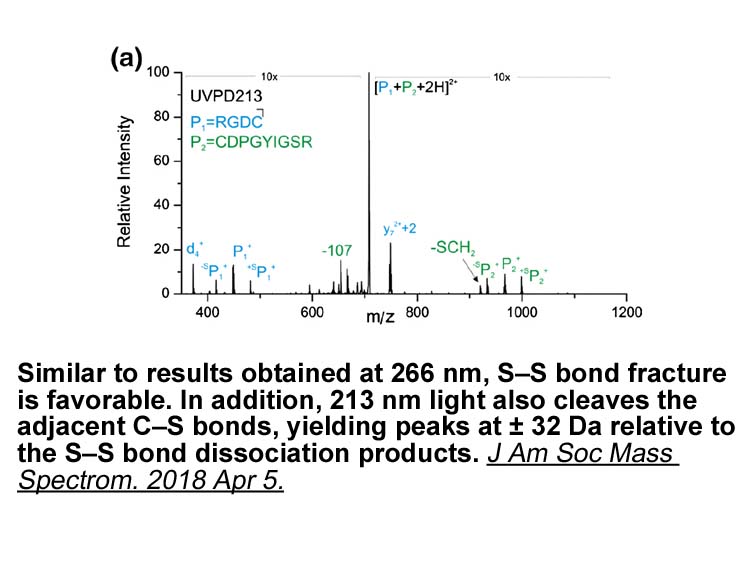
Our current knowledge on autophagy broadly differentiates it into three types: macroautophagy, microautophagy, and chaperone-mediated autophagy. Macroautophagy mainly involves the sequestration of cytoplasmic contents in a double-walled membrane followed by the fusion with the lysosomes. The lysosom
br The Molecular Machinery of Autophagy and
2022-10-31
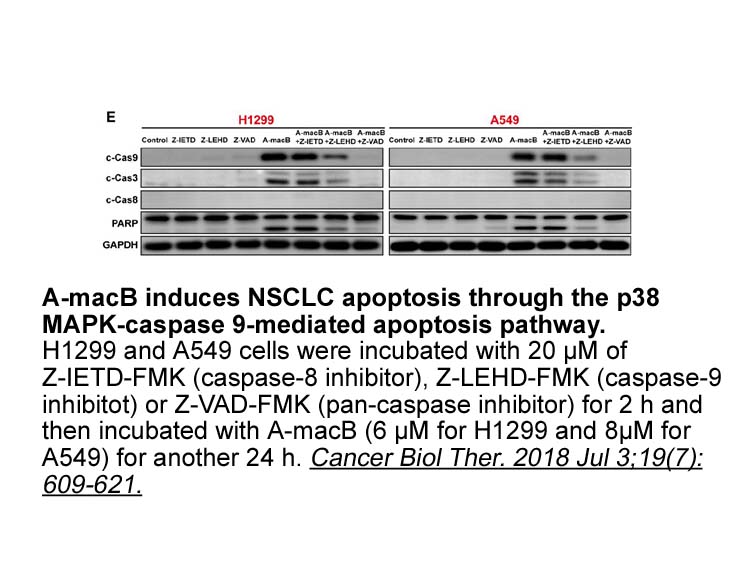
The Molecular Machinery of Autophagy and Regulation by Sphingolipids Sphingolipid-Mediated Autophagy in Cancer: Dr. Jekyll and Mr. Hyde Autophagy is an evolutionarily conserved stress response that typically promotes survival and antagonizes apoptosis. However, excessive autophagy was found to
br Autophagy and antiviral innate
2022-10-31
Autophagy and antiviral innate immunity signaling Viral manipulation of autophagy interfering with IFN-I synthesis We have seen that autophagy factors can down-regulate the production of IFN-I induced by RLR engagement during viral infection. In fibroblasts and epithelial cells, there exists c
br Results br Discussion Both ATM
2022-10-31
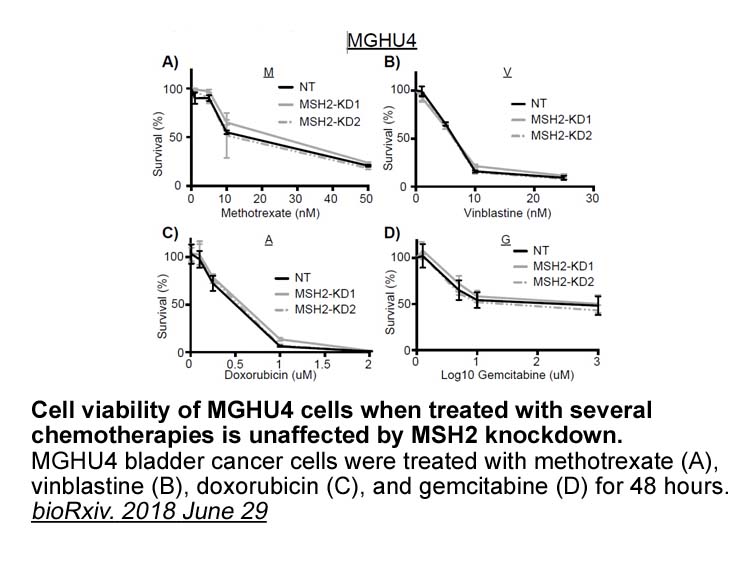
Results Discussion Both ATM and ATR are key regulators of the cellular response to DSBs, yet how exactly they function in concert is not well understood. Recent studies revealed that ATM is required for the resection of DSBs (Jazayeri et al., 2006, Myers and Cortez, 2006), a process necessary
ARG I is one of the most important
2022-10-31
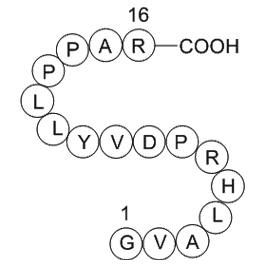
ARG I is one of the most important mammalian enzymes responsible for nitrogen metabolism since it comprises the main route for the elimination of excess nitrogen resulting from amino simvastatin zocor and nucleotide metabolism [18]. ARG I deficiency leads to hyperargininemia, characterized by progre
Apelin induced G i activation has been demonstrated as a
2022-10-31
Apelin induced Gαi activation has been demonstrated as a benefiting effect on cardiac contractility [12], [38], [39], and a vasodilator activity that protects against angiotensin-II-induced cardiovascular fibrosis and atheroma [40], [41]. In contrast, stretch causes hypertrophy through diminishing G
br The role of apelin in respiratory diseases At
2022-10-31
The role of apelin in respiratory diseases At present, several scientific studies have suggested that the apelin/APJ system may play an important role in the development of pulmonary diseases (Table 4). For example, in an experiment on rats suffering from acute lung injury, apelin-13 decreases th
WIN 18446 receptor br Conclusions br Introduction In the mod
2022-10-31
Conclusions Introduction In the modern life of humans, WIN 18446 receptor are widely prescribed for therapy against bacterial diseases to prevent the onset of bacterial infections during a viral disease (Goossens et al., 2005; Van Boeckel et al., 2014). They have been massively administered a
IC261 This chemistry paved way for
2022-10-27
This chemistry paved way for multi-gram synthesis of which was utilized for extensive piperazine benzamide SAR exploration. Depicted in , the two-step operation towards final targets involved standard amide coupling conditions with EDC or HATU followed by Boc deprotection under acidic conditions. S
The anorexic effect observed when
2022-10-27
The anorexic effect observed when AR231630 is infused into the VTA could be the result of the DA release inhibition, as previously described [11]. However, there is also a hedonic aspect in feeding that possibly involves dopaminergic mechanisms of reward. Helm et al. showed a functional link between
3721 records 97/249 page Previous Next First page 上5页 96979899100 下5页 Last page