Archives
- 2026-08
- 2026-07
- 2026-06
- 2026-05
- 2026-04
- 2026-03
- 2026-02
- 2026-01
- 2025-12
- 2025-11
- 2025-10
- 2023-07
- 2023-06
- 2023-05
- 2023-04
- 2023-03
- 2023-02
- 2023-01
- 2022-12
- 2022-11
- 2022-10
- 2022-09
- 2022-08
- 2022-07
- 2022-06
- 2022-05
- 2022-04
- 2022-03
- 2022-02
- 2022-01
- 2021-12
- 2021-11
- 2021-10
- 2021-09
- 2021-08
- 2021-07
- 2021-06
- 2021-05
- 2021-04
- 2021-03
- 2021-02
- 2021-01
- 2020-12
- 2020-11
- 2020-10
- 2020-09
- 2020-08
- 2020-07
- 2020-06
- 2020-05
- 2020-04
- 2020-03
- 2020-02
- 2020-01
- 2019-12
- 2019-11
- 2019-10
- 2019-09
- 2019-08
- 2019-07
- 2019-06
- 2019-05
- 2019-04
- 2018-07
-
Conclusions br Author information The obtained models of com
2022-08-18

Conclusions Author information The obtained models of complexes of FPR2 with most of the described compounds are freely available at the author’s web site: http://www.biomodellab.eu/models/. Acknowledgements This work was partly done at the Interdisciplinary Centre for Mathematical and Compu
-
br Materials and methods br Results br
2022-08-18
Materials and methods Results Discussion Cell migration not only plays major roles in physiological events, such as embryo implantation, embryogenesis, morphogenesis, neurogenesis, angiogenesis, wound healing and inflammation [[29], [30], [31]], but it is also implicated in the pathophysiol
-
In spite of decades of research
2022-08-18
In spite of decades of research the mechanisms of SV endocytosis and recycling remain controversial. Accumulating evidence suggests that SV endocytosis occurs by more than one mechanism (e.g. clathrin-independent endocytosis, clathrin-mediated endocytosis, bulk endocytosis; reviewed in (Dittman and
-
The prevalence of hepatitis C virus HCV infection
2022-08-17
The prevalence of hepatitis C virus (HCV) infection in p.C282Y homozygotes in North America is unknown. We determined the prevalence of anti-HCV antibody and HFE genotype and serum ferritin (SF) associations in non-Hispanic white participants in the Hemochromatosis and Iron Overload Screening (HEIRS
-
Decreased ratio of Treg TH is reported to correlate with
2022-08-17

Decreased ratio of Treg/TH17 is reported to correlate with MS disease severity [63]. Treg Benazepril HCl are the major anti-inflammatory subset of T cells which suppress proinflammatory T-cells by producing anti-inflammatory cytokines, such as IL-10 and TGF-β, as well as play a critical role in main
-
INTRODUCTION Scar formation and tissue regeneration are
2022-08-17
INTRODUCTION Scar formation and tissue regeneration are opposite results of the wound healing process. Although fibrosis is more common after skin injury, full skin regeneration results in complete replacement of adnexa and function. Examples of tissue regeneration in mammalian systems include annu
-
Having shown that some of substitutions
2022-08-17
Having shown that some of substitutions (Cl, CF) at the 2-position of the thiophene improved rat microsomal stability, and polar groups at the 4-position of the aryl ring had a beneficial effect on stability in both human and rat microsomes, we combined these features in a new set of analogs. Methyl
-
Despite the potential promise of both
2022-08-17
Despite the potential promise of both of these peptides, such compounds are still susceptible to efficient renal filtration (Emmanouel et al., 1978, Holst, 1991, Deacon et al., 1996). However, numerous studies have demonstrated that fatty LY294002 australia dervatisation of related regulatory pepti
-
For functional metagenomics based gene screening the DNA
2022-08-16
For functional metagenomics-based gene screening, the DNA library construction approach is widely used . Fosmid and cosmid libraries are usually used to explore novel genes. Lee et al. reported that a halotolerant and protease-resistant α-galactosidase was identified from the gut metagenome of , a
-
br Conclusions In this study we discovered that
2022-08-16
Conclusions In this study, we discovered that the G-quadruplex (Q1) formed by S1 sequence in the upstream region of the transcription start site of c-Myb gene functioned as a positive transcriptional regulator, which was different from the most cases that G-rich sequences functioned to impair the
-
br Conclusions Histone acetylation deacetylation is a major
2022-08-16
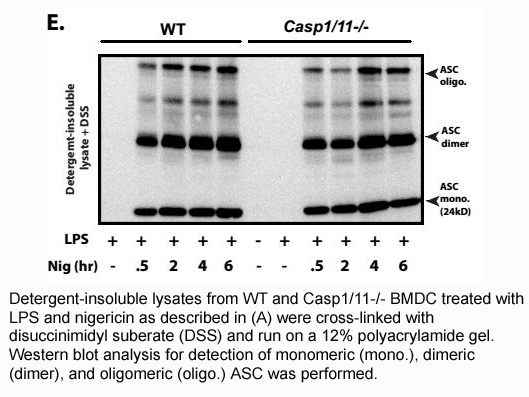
Conclusions Histone acetylation/deacetylation is a major epigenetic mechanism implicated in the regulation of transcription and various biological processes such as development and gametogenesis from plants to vertebrates. However, despite being well characterized in zebrafish, acetyltransferase
-
Although we showed that RBL H
2022-08-16
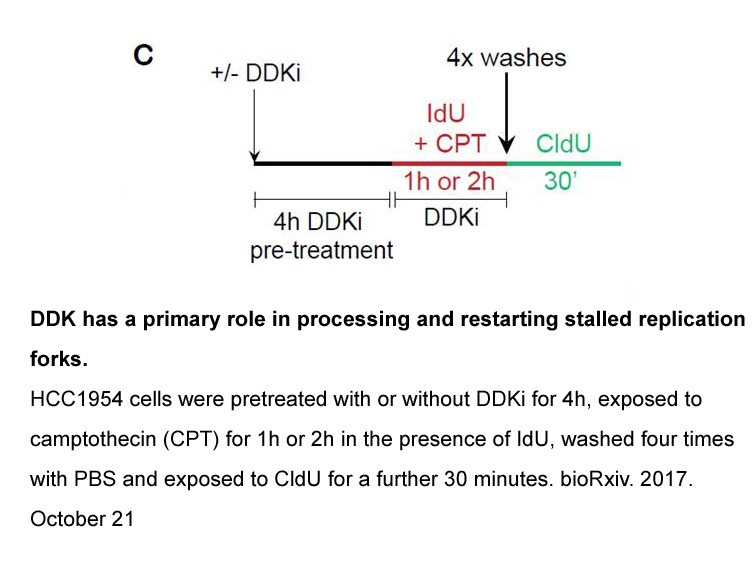
Although we showed that RBL-2H3 Sc98 DiscoveryProbe™ Inhibitor Library took up histamine from the microenvironment, it was unclear which transporter mediated its passage across the plasma membrane. Other biogenic amines have selective transporters that belong to the neurotransmitter sodium symporter
-
The second approach to optimizing microsomal stability in
2022-08-16
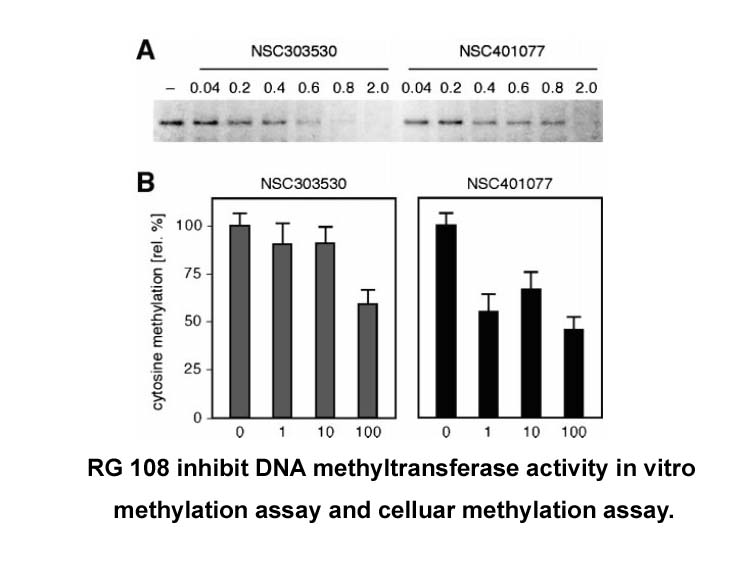
The second approach to optimizing microsomal stability in this series involved the strategic positioning of steric bulk along the tether as a means of encumbering the access of oxidative enzymes to the methylene bridge. This approach has been employed in other P2-P4 macrocyclic inhibitors of NS3/4A
-
Small but statistically significant variance
2022-08-16
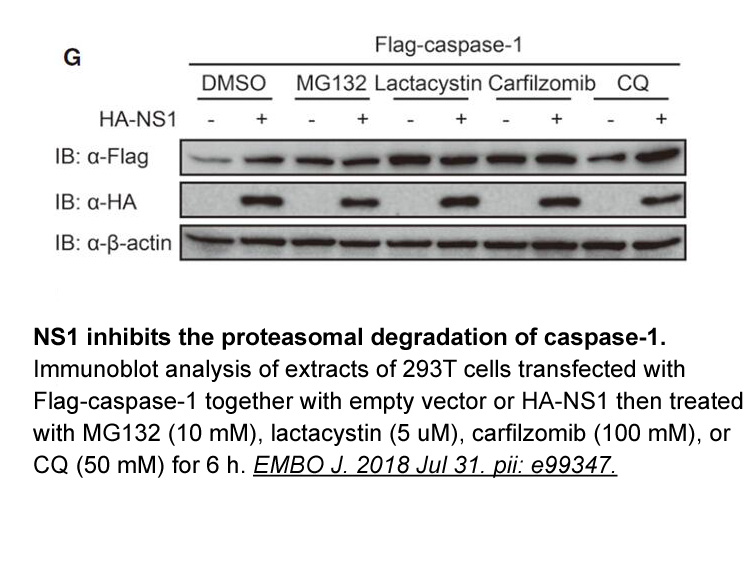
Small but statistically significant variance in 7 PhyChem indexes measured using intra-host HVR1 variants was shown to be strongly associated with CIP and MIP. All HVR1 sequences (N = 28,622) used here share only 6782 profiles of the selected 29 DAC’ of 7 PhyChem indexes. The significant majority (9
-
A few research articles described that
2022-08-15
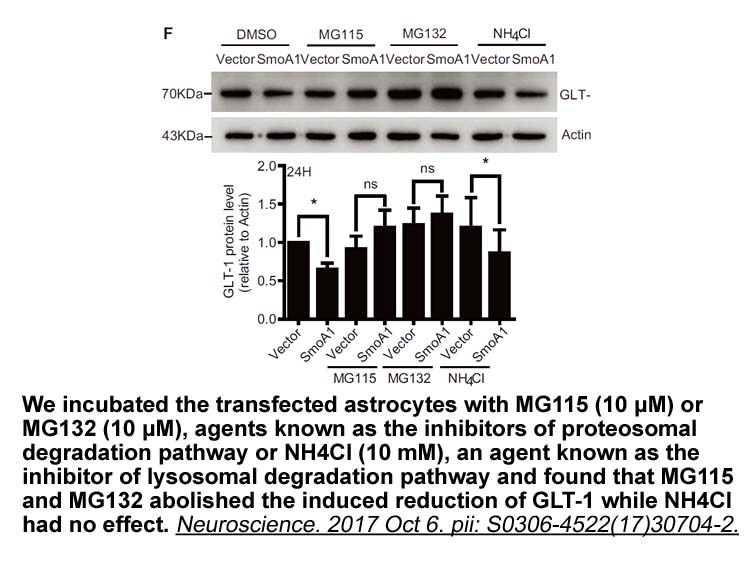
A few research articles described that PLGA could alone improve physiological activities in certain illnesses by exerting therapeutic effects. These reported therapeutic activities of PLGA can be appended to the hydrolysis products of PLGA lactate, glycolate, and H+. We will recapitulate their respe
11559 records 110/771 page Previous Next First page 上5页 106107108109110 下5页 Last page